

Routines Create Consistency in Your Organization
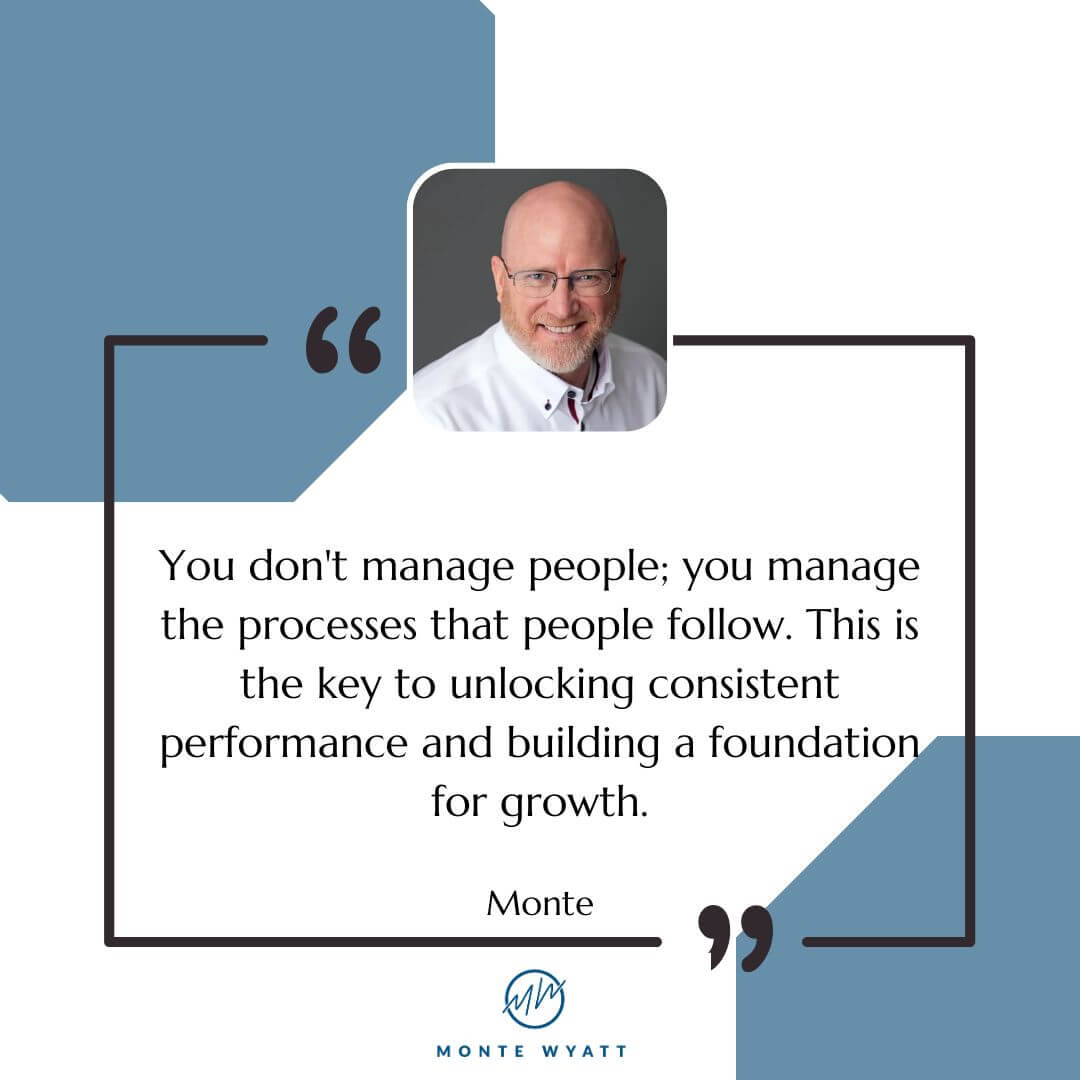
In any business, consistent results are the goal. Yet, many leaders find their teams deliver unpredictable outcomes, leading to frustration and inefficiency. They often try to manage people, hoping to correct inconsistencies through individual oversight. The real solution, however, lies not in managing people, but in managing the processes people follow. Establishing clear routines is the key to unlocking consistent performance and building a foundation for scalable growth.
This post will explore how well-defined processes and checklists can transform your organization. We will show you how these simple tools create accountability, free up mental energy for high-value tasks, and empower your team to perform at their best.
Why Processes are More Important Than People Management
When managers lack established processes, they default to managing people. This often leads to complaints about team members being unpredictable or wanting to do things their own way. But without a clear roadmap, what other way is there? People are forced to rely on their own methods, which naturally leads to variation.
The truth is, you don’t manage people; you manage the processes that people use. An employee can only be held responsible for following a process that is clear, correct, and well-documented. When you shift your focus from individual actions to systemic improvements, you create a culture of clarity and shared responsibility.
About 80% of what most employees do each day is repetitive. Creating routines for these tasks is a powerful strategy. It allows team members to operate on autopilot for standard procedures, conserving their mental energy. This saved brainpower can then be dedicated to the remaining 20% of tasks—the ones that require creativity, problem-solving, and strategic thinking.
The Power of Checklists in Building Accountability
Once you create a new process with a defined set of steps and expectations, consistency depends on your team following that list. Checklists are simple yet powerful tools for ensuring this happens. They translate abstract processes into concrete, actionable steps.
When each step is checked off as it’s completed, you build a system of accountability. If something goes wrong, you can quickly determine the cause. Did the process fail for an unknown reason, or did someone miss a step? In a workflow where multiple people are involved, a checklist pinpoints exactly where the breakdown occurred, allowing for swift and accurate correction.
Types of Checklists to Implement
Different situations call for different types of checklists. Here are a few examples you can adapt for your organization:
- Task Lists: These are your standard operating procedures (SOPs). They outline the step-by-step actions required to complete a recurring task in a specific order to achieve a predictable result.
- Troubleshooting Lists: When things go wrong, these lists provide a clear protocol to follow. They guide employees through a diagnostic process to identify and solve problems efficiently.
- Coordination Lists: For complex projects involving many people across different departments, these lists are essential. They help manage dependencies and ensure everyone knows their role and how it connects to the larger project.
- Discipline Lists: These are not for punishment, but for preventing errors. They catalogue procedures designed to stop faulty decision-making by requiring verification or specific criteria to be met before moving forward.
- To-Do Lists: On an individual level, these classic lists help manage time, prioritize tasks, and ensure that important duties are not forgotten during a busy day.
Asking the Right Questions Before Placing Blame
Checklists are invaluable for identifying when things go off the rails and who was responsible. However, before you jump to conclusions and blame an individual, it’s crucial to look at the system itself. Ask yourself and your management team four critical questions:
- Did we adequately train them on our process? An employee cannot follow a process they don’t understand.
- Is our process correct and effective? Sometimes the flaw isn’t with the person, but with the procedure they were asked to follow.
- Is the employee willing to follow our process? This is the one factor an employee directly controls.
- What exactly is the process? A process must be clearly defined and documented to be effective. An employee can’t follow a process that doesn’t exist.
Of these four questions, your organization and its managers are responsible for three. A team member’s willingness is important, but it’s enabled or disabled by the clarity of the process, the quality of the training, and the effectiveness of the procedure itself.
Free Your Team to Focus on What Matters
A good routine liberates you and your team from the endless series of small decisions that consume time and mental energy. It brings order, predictability, and a sense of calm to the workday. Even tasks that don’t happen regularly can be made routine through documented processes that are consulted when needed.
By systemizing the predictable, you reserve your team’s most valuable resource—their brainpower—for the meaningful challenges that drive your business forward. This is how you build an organization that is not just consistent, but also innovative and resilient.
Build Your Foundation for Consistency Today
Implementing effective routines and processes is the most reliable way to create consistency and accountability in your organization. It shifts the focus from managing people to managing systems, empowering your team and freeing them up for high-impact work. But designing and implementing these systems can be a challenge.
If you are ready to stop managing people and start leading with powerful processes, expert guidance can make all the difference. Monte Wyatt specializes in helping leaders like you build the operational frameworks that drive predictable success.
Don’t let inconsistency hold your business back any longer. Take the first step toward building a more efficient, accountable, and successful organization.
Click below to contact Monte Wyatt and learn how to implement the right routines for your team.